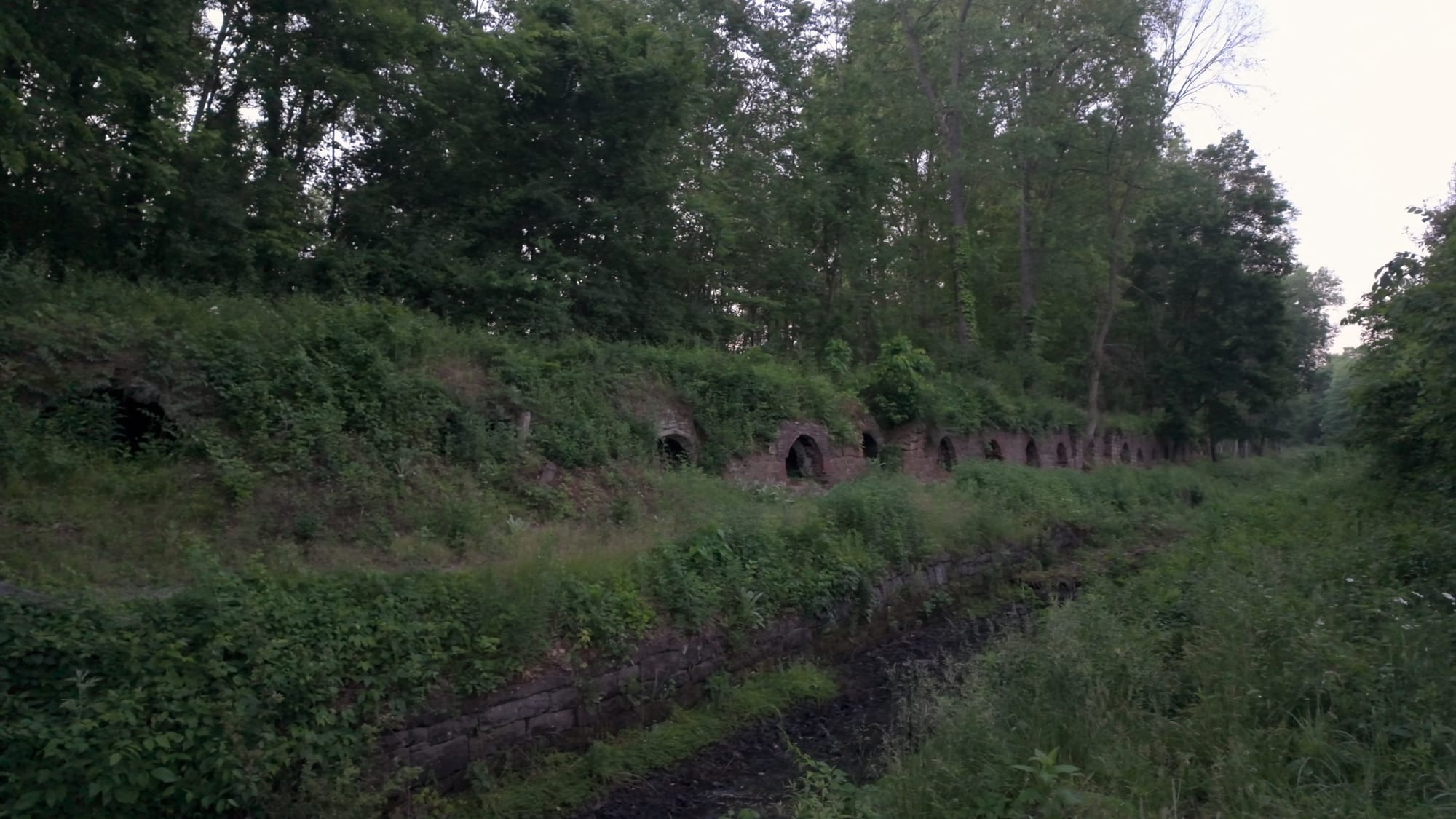
Somebody built 200 of these. Ran them for sixty years. Then closed the doors, walked out, and never came back.That's the whole story of Leetonia, Ohio in three sentences — but the reason it's worth an hour of your time is everything packed between the first sentence and the last. Leetonia is a small town of under two thousand people in Columbiana County, tucked up near the Pennsylvania border in the far east of the state. Most people drive straight past it on the way to somewhere else. The ones who do stop are usually here for a hike, not the history. They walk right past what is, outside of the Connellsville district in Pennsylvania, one of the largest intact fields of beehive coke ovens left standing in North America.The first two episodes in this series were about individuals. A self-taught blacksmith who spent years carving a political monument in secret, by lantern light. A bricklayer who spent two and a half years carving his grief into a 300-million-year-old sandstone ledge. Both of them were one person, with a chisel, making something that had no reason to exist except that they needed it to.This one is different. This one is about what happens when industry comes to a place, builds something enormous, employs an entire town — and then, one day, just stops.
First: What Is Coke? And What Is a Coke Oven?
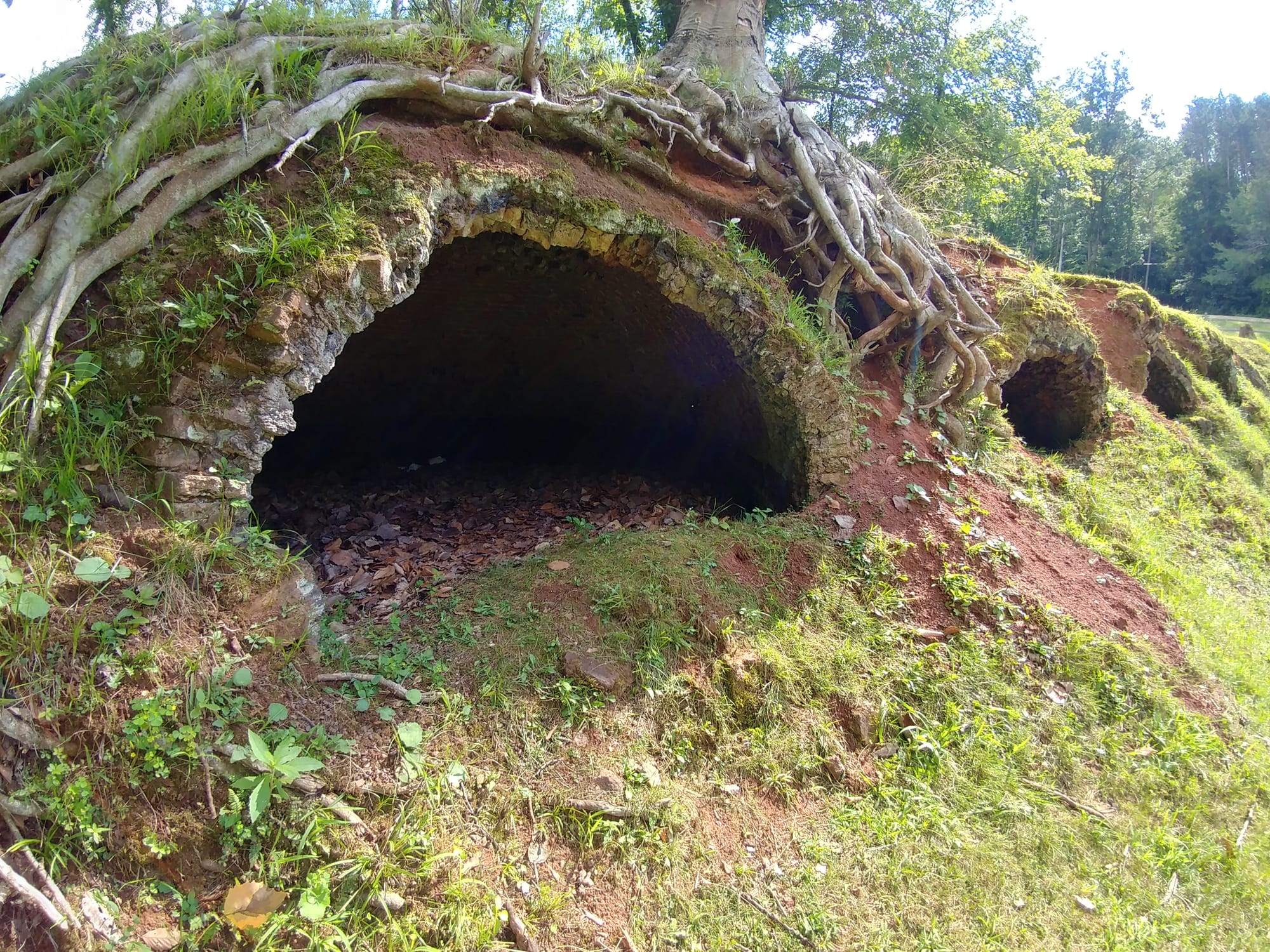
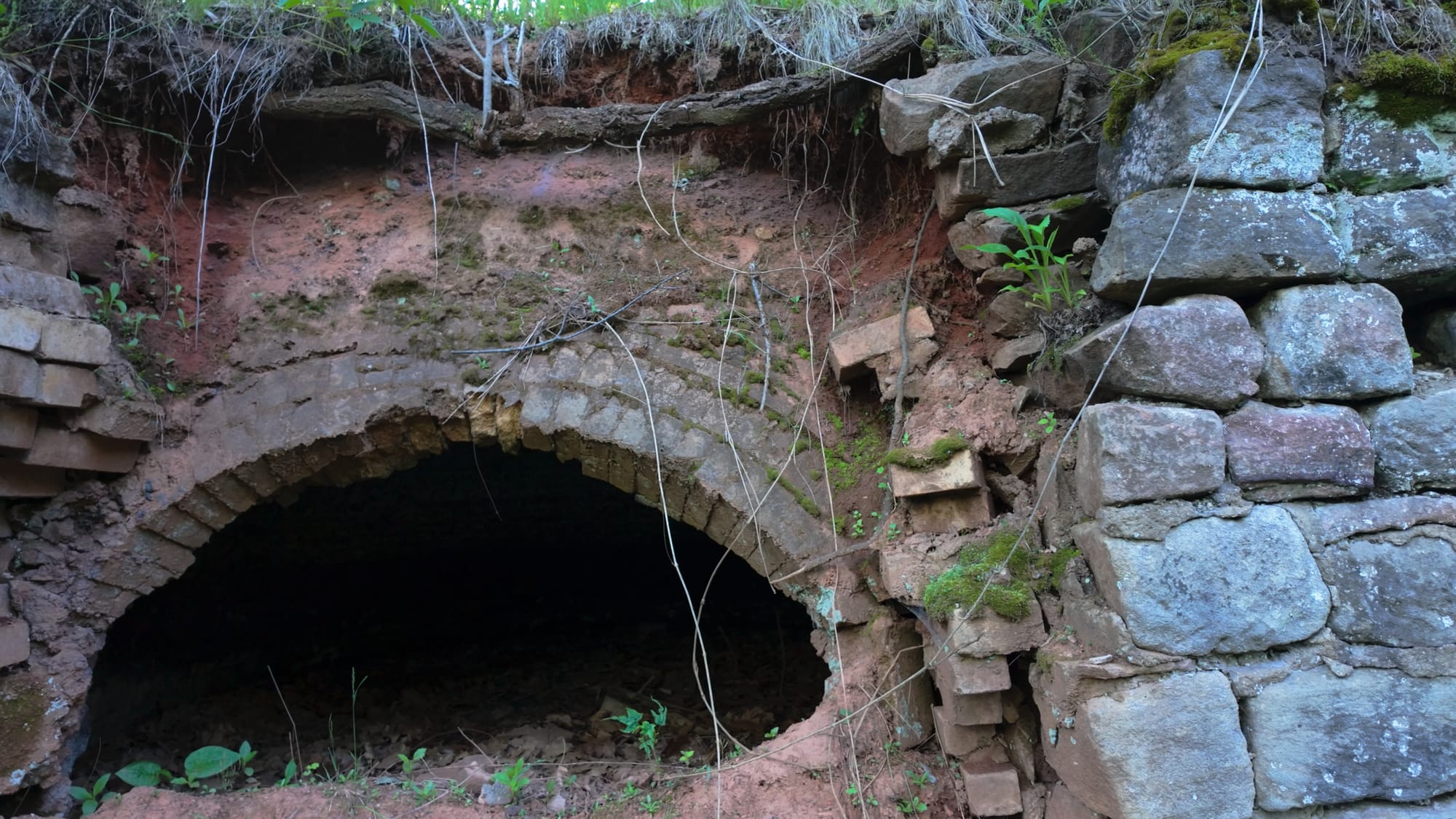
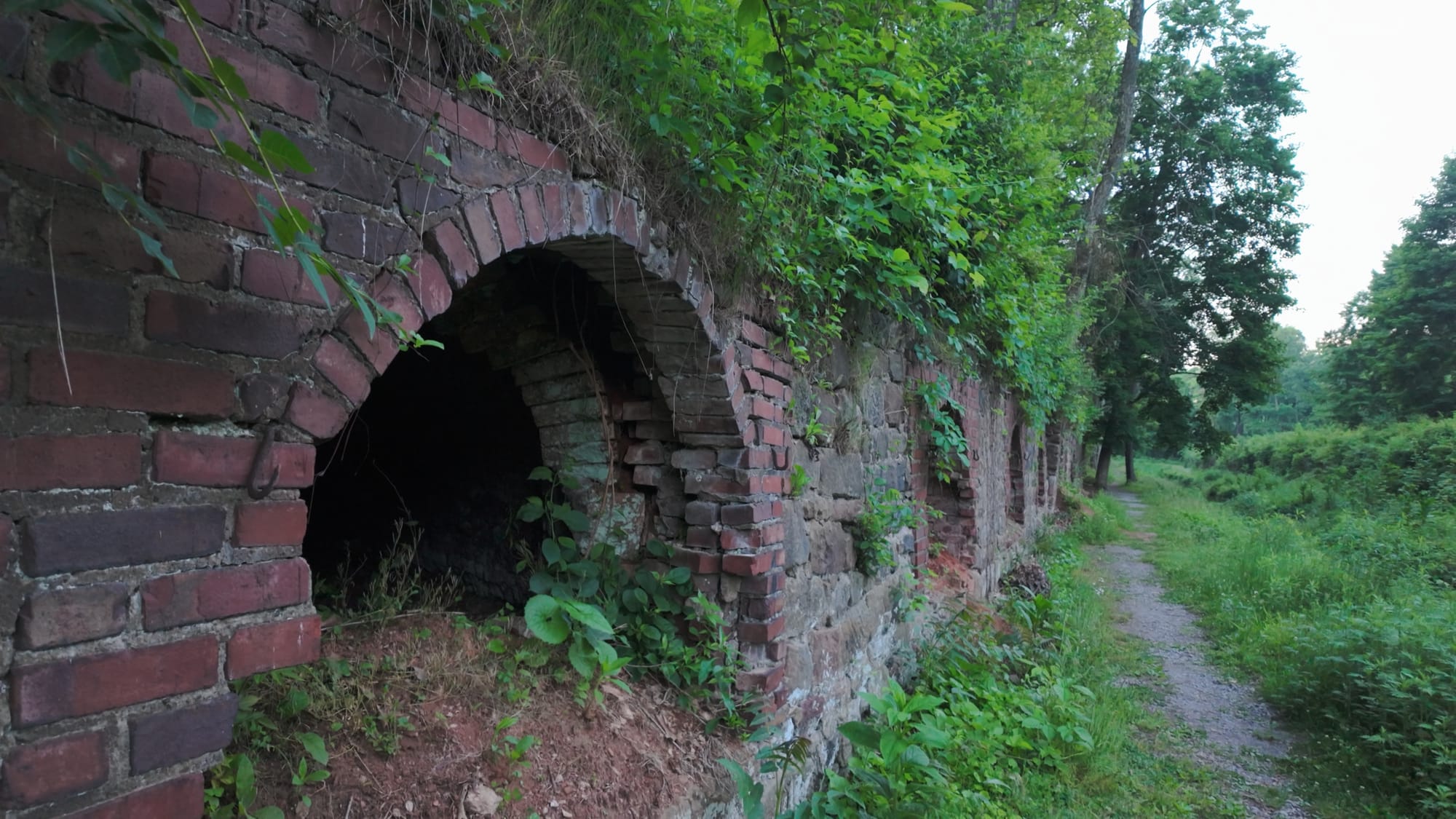
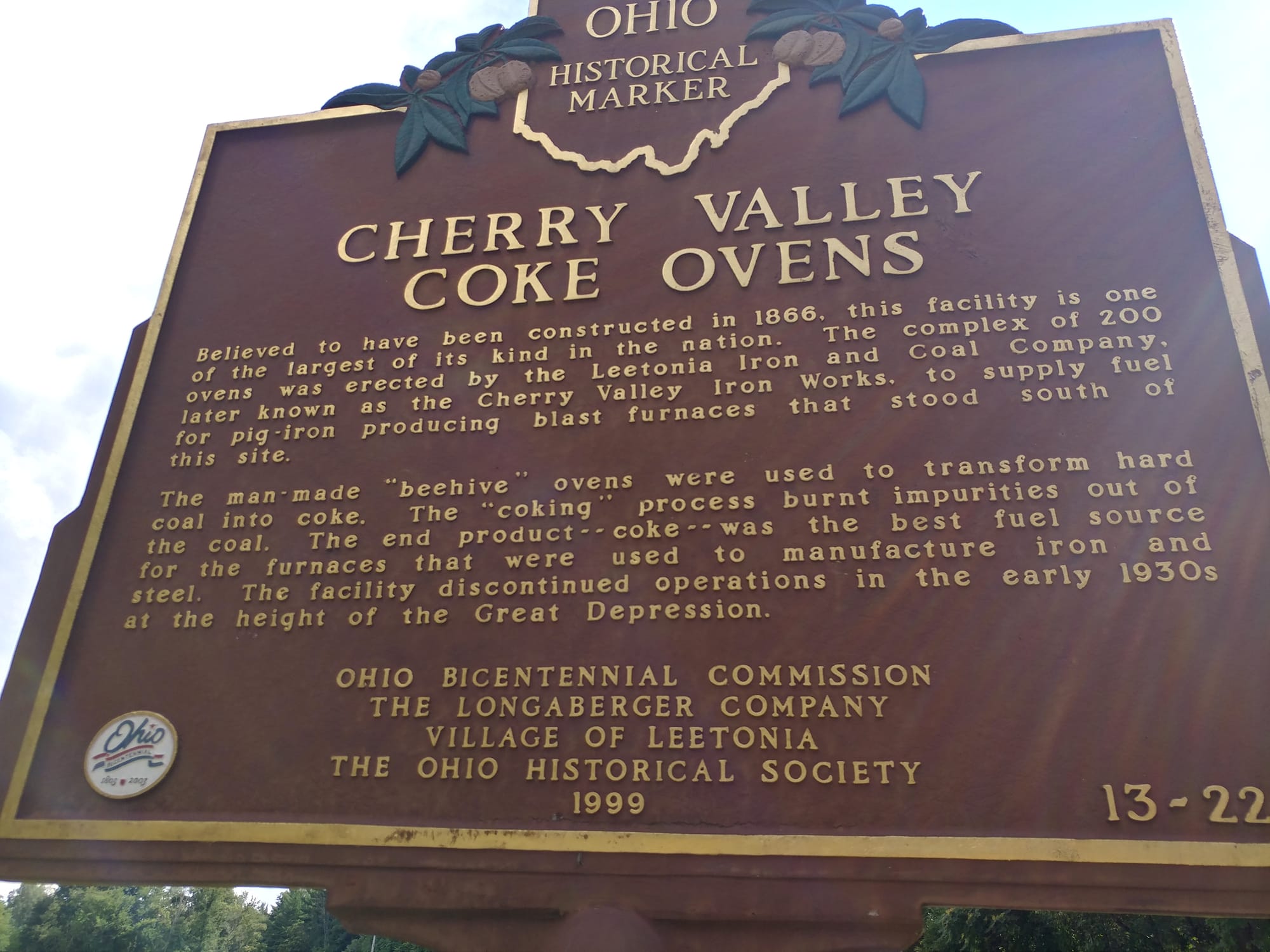
Not that kind of coke. That's genuinely what my mom thought the first time we came out here, and she isn't alone — it's the single most common question the site gets.Coke — the industrial kind — is what you get when you take coal, seal it inside one of these brick domes, and bake it at extreme temperature for two to three days straight with the oxygen choked down. You're driving off the impurities: the sulfur, the tar, the volatile gases, all the stuff that makes raw coal burn dirty and inconsistently. What's left behind is almost pure carbon. It burns hotter than coal, and — more importantly — it burns hot and steady enough to smelt iron and steel reliably.You cannot build industrial America without it. The railroads. The bridges. The steel skeletons inside every skyscraper going up in New York and Chicago from the 1870s onward. All of that needed iron and steel, and all of that iron and steel needed coke. A meaningful share of it came out of valleys exactly like this one.The "beehive" name is just the shape. Each dome is roughly twelve feet across and six to seven feet high, and each one held two to three tons of coal at a charge. Load it from a hole in the top, seal the arched front, let it cook for a couple of days, then break the seal and rake the finished coke out onto a waiting rail car. Do that across 200 ovens, around the clock, and the numbers get big fast — period figures put the site's output on the order of 250 tons a day.And when everything was running at night, the valley glowed. The reddish light pouring out from between the hills is what gave the whole operation its name: Cherry Valley.
The Man Who Found the Coal
The site was founded in 1865 by an Irish businessman named William Lee. Scouting the region as the railroads pushed west, Lee discovered rich deposits of coal, iron ore, and limestone sitting under the soil here — the exact three ingredients you need to make iron in one place. He bought up around 600 acres, brought in a group of investors, and incorporated the Leetonia Coal and Iron Company. Ground broke in the winter of 1865, and by 1866 the first ovens and a blast furnace were built and running.The town is named for him. Leetonia — Lee's town.What grew here grew fast. In 1864, the area had housed just three families. By 1869 the population was around 1,800, and the village was formally incorporated that May. Ten years later it had climbed past 2,800. Irish and German immigrants came specifically for this work, and at its peak the operation employed almost the entire village — not most of it, almost all of it. The place existed because of these ovens. When you stand in the valley now, in the quiet, that's the thing that's hard to hold in your head: this silent patch of woods was once the beating economic heart of a town, running hot, twenty-four hours a day.
Then Came 1873
A chain of bank failures triggered what became known as the Long Depression — which, to be clear, is not the Great Depression. That one comes later, and it's the one that finally kills this place. This was an earlier collapse, set off partly by the aftermath of the Franco-Prussian War in Europe and a wave of catastrophic over-investment in American railroad expansion. When the banks went down, they dragged a lot of heavy industry down with them.The Leetonia Coal and Iron Company went bankrupt. Roughly a third of the village lost its income essentially overnight.The operation didn't die, though — it reorganized. One of the original investors, Jacob Chamberlain, brought it back as the Cherry Valley Iron and Coal Company, and rather than shrinking, he doubled down: more ovens, more blast furnaces, more capacity. Over the following decades the site changed hands and names several more times — becoming the Cherry Valley Iron Works Company in 1879, and eventually growing to the full field of 200 ovens and four blast furnaces whose remains you can still walk through today.
The Most Powerful Name in American Politics
By 1906, the site had become the United Iron and Steel Company, run by a man named Daniel Rhodes Hanna.His father was Mark Hanna.If that name doesn't land immediately, it should. Mark Hanna was arguably the most powerful political operator in America at the turn of the twentieth century. He had made his fortune in coal and iron — the very industries that built this valley — and in 1896 he ran what was, up to that point, the most expensive presidential campaign in American history: raising roughly three and a half million dollars to put William McKinley in the White House, outspending the opposition by somewhere between five and twelve to one.Hanna essentially invented modern campaign finance. He went directly to industrialists and corporations for money — not just asking for donations, but making a business case. He reportedly told potential donors that William Jennings Bryan would win if nothing was done, that a Bryan presidency would cost them a specific, calculable amount, and that the smart move was to figure out exactly what that outcome was worth and write a check against it. Then he'd name a number and take the money.He also left behind one of the most honest quotes in the history of American politics: "There are two things that are important in politics. The first is money. And I can't remember what the second one is."His son Daniel was running this site by 1906. The company eventually became the M.A. Hanna Company in 1920 — named for Mark, who by then had been dead for sixteen years. The family held it until the Depression finally finished what the Long Depression had started fifty-odd years earlier.
The Ovens Go Cold
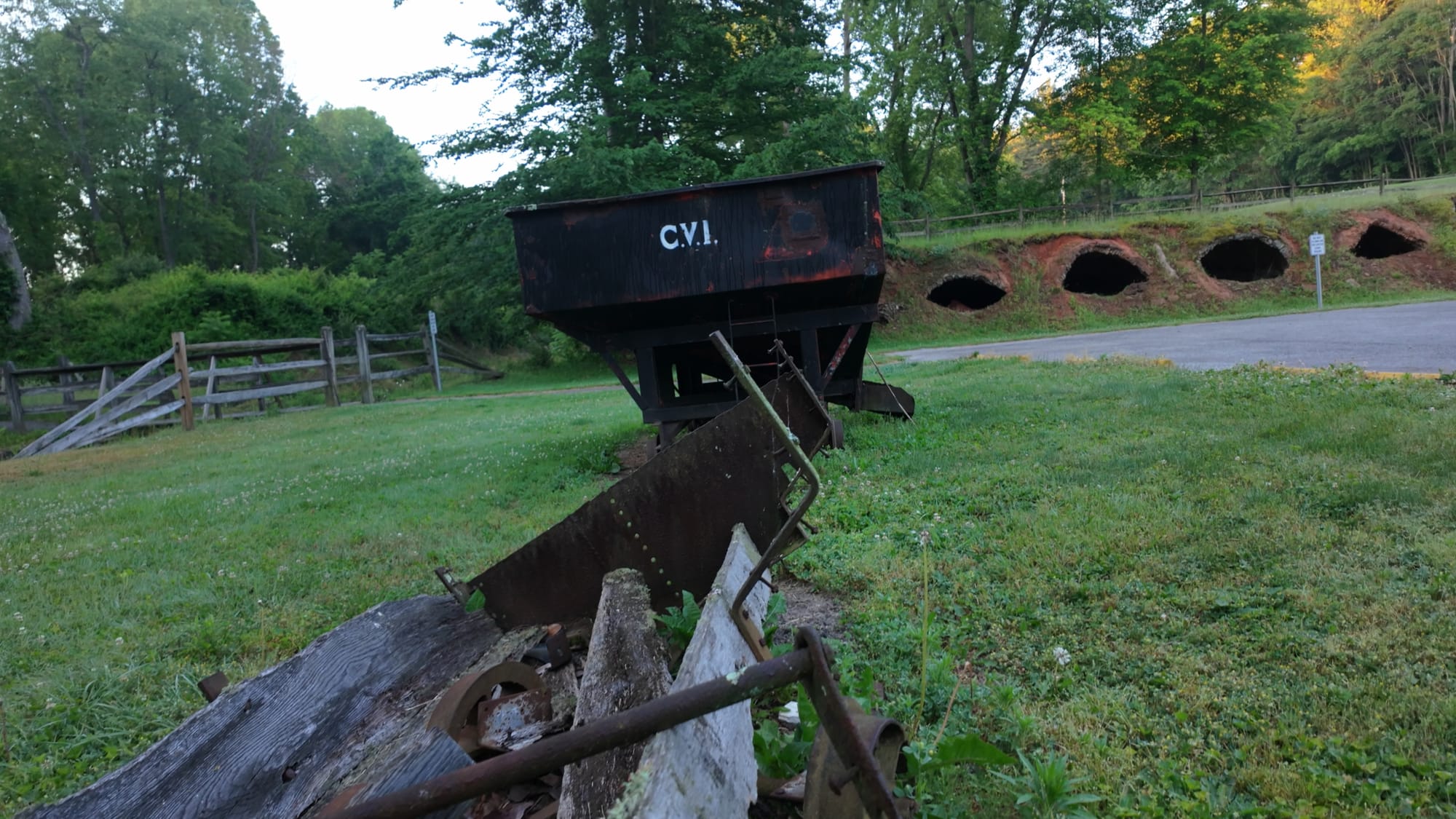
The fires went out in 1930.After more than six decades of continuous operation — through booms, bankruptcies, four company names, and a dynasty of industrialists — the ovens simply went cold. The Great Depression gutted demand for iron and steel, the furnaces shut down, and the workforce that had defined the town for two generations dispersed.And then the site just... sat there. For about fifty years. Nobody demolished it, nobody built over it, nobody really came. Two hundred brick ovens, a rail grade, the bones of four blast furnaces — left to the weather and the trees on the edge of a town most people never had a reason to visit.
How One of These Was Actually Built
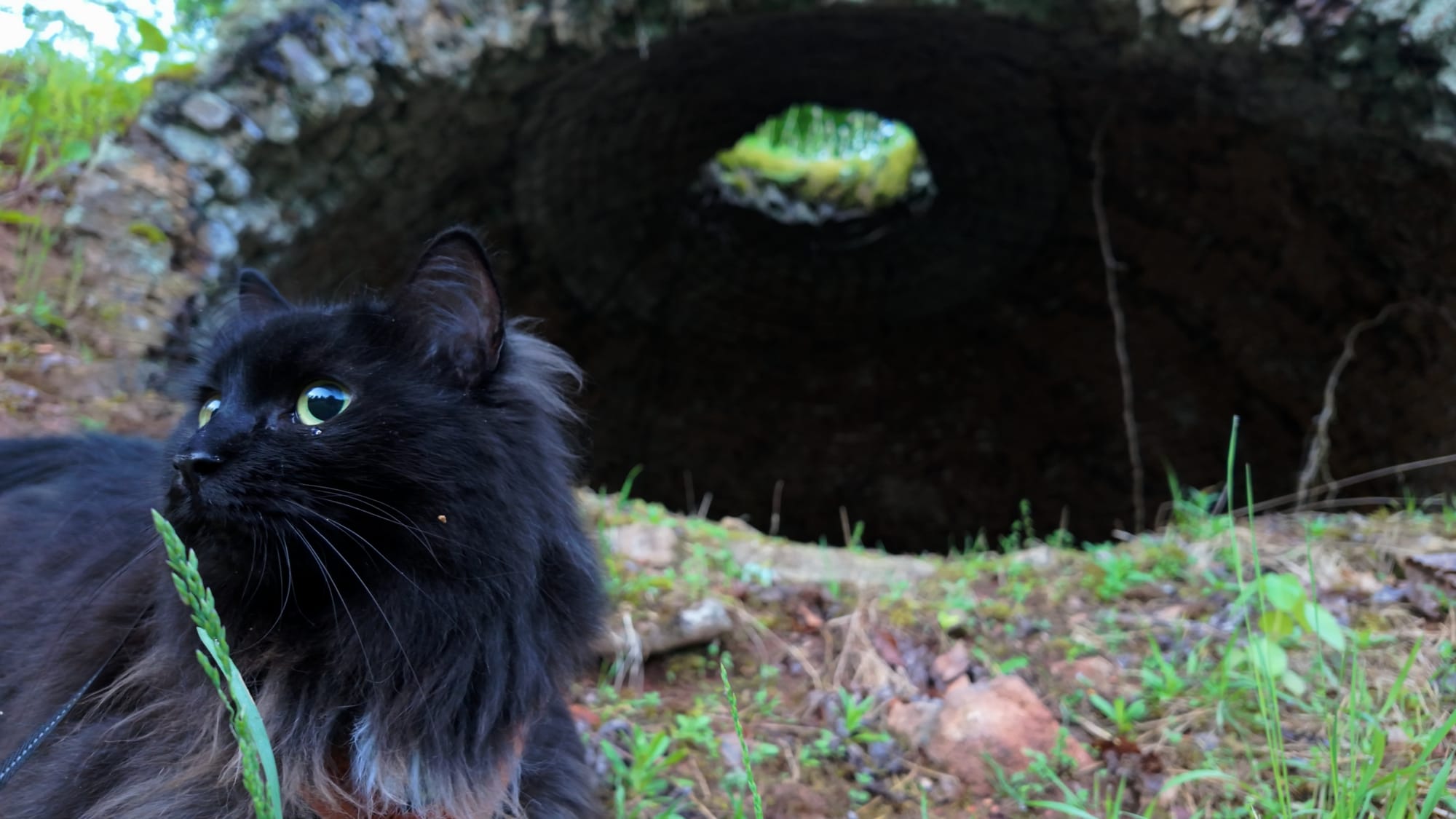
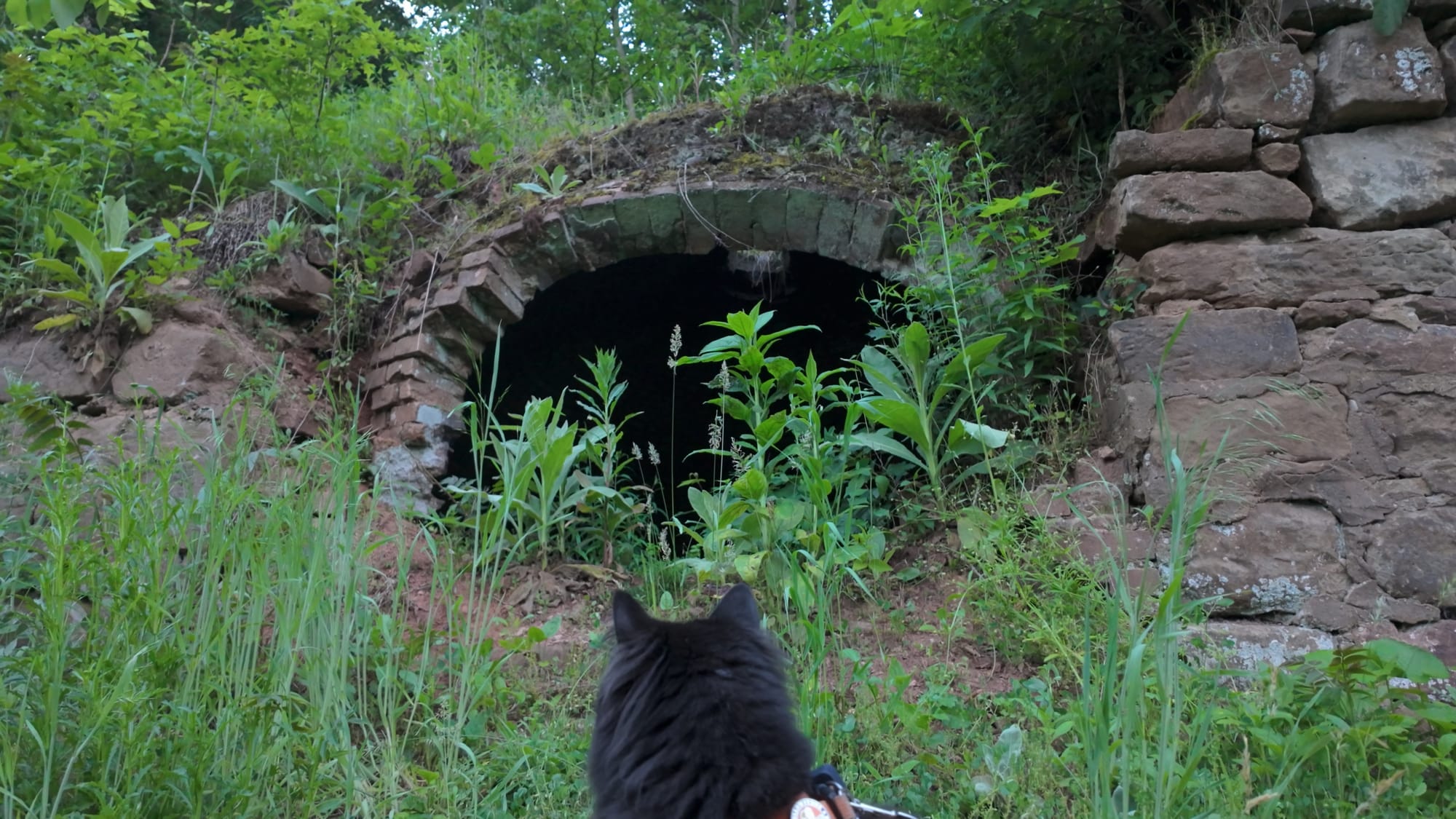
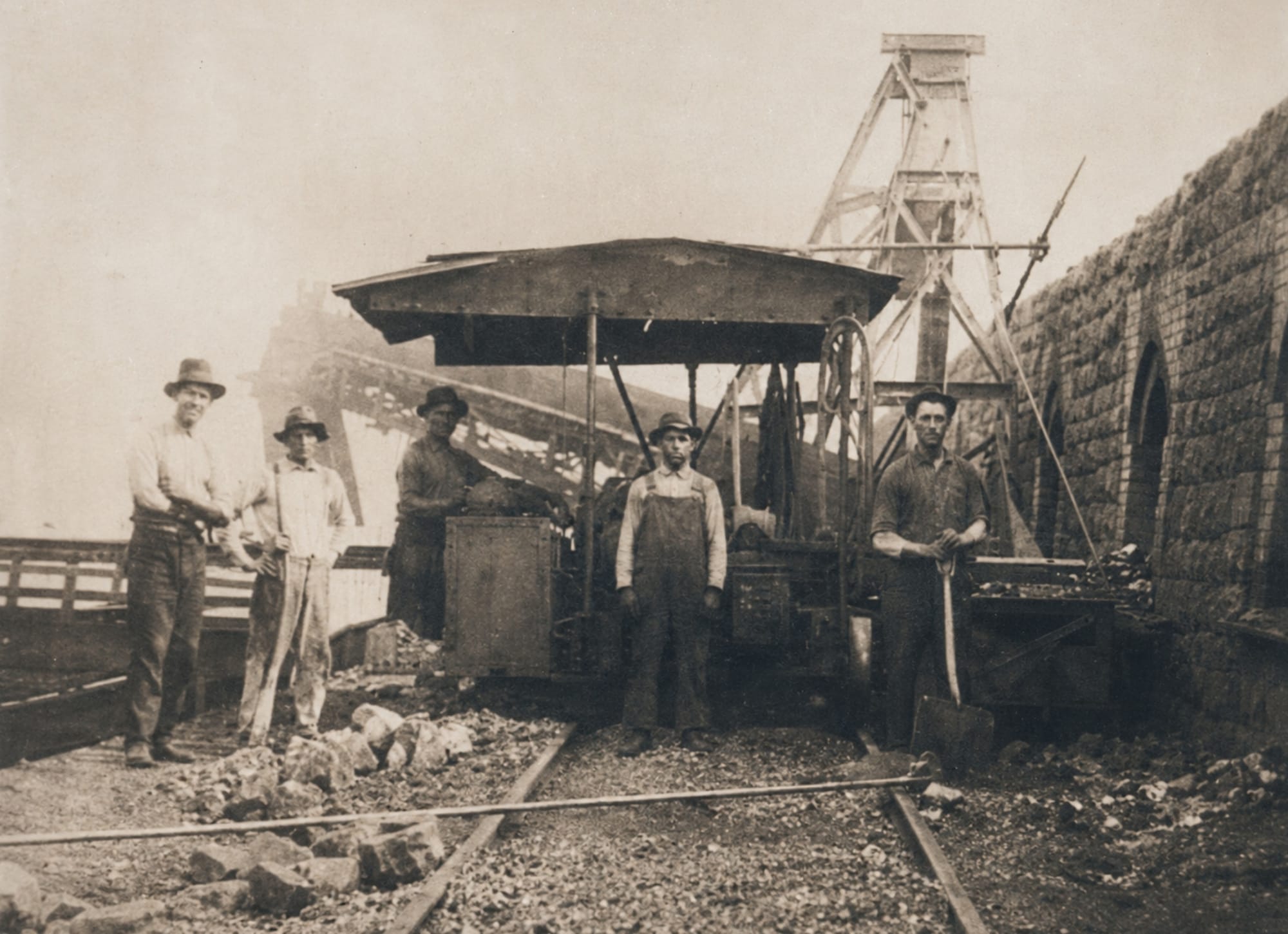
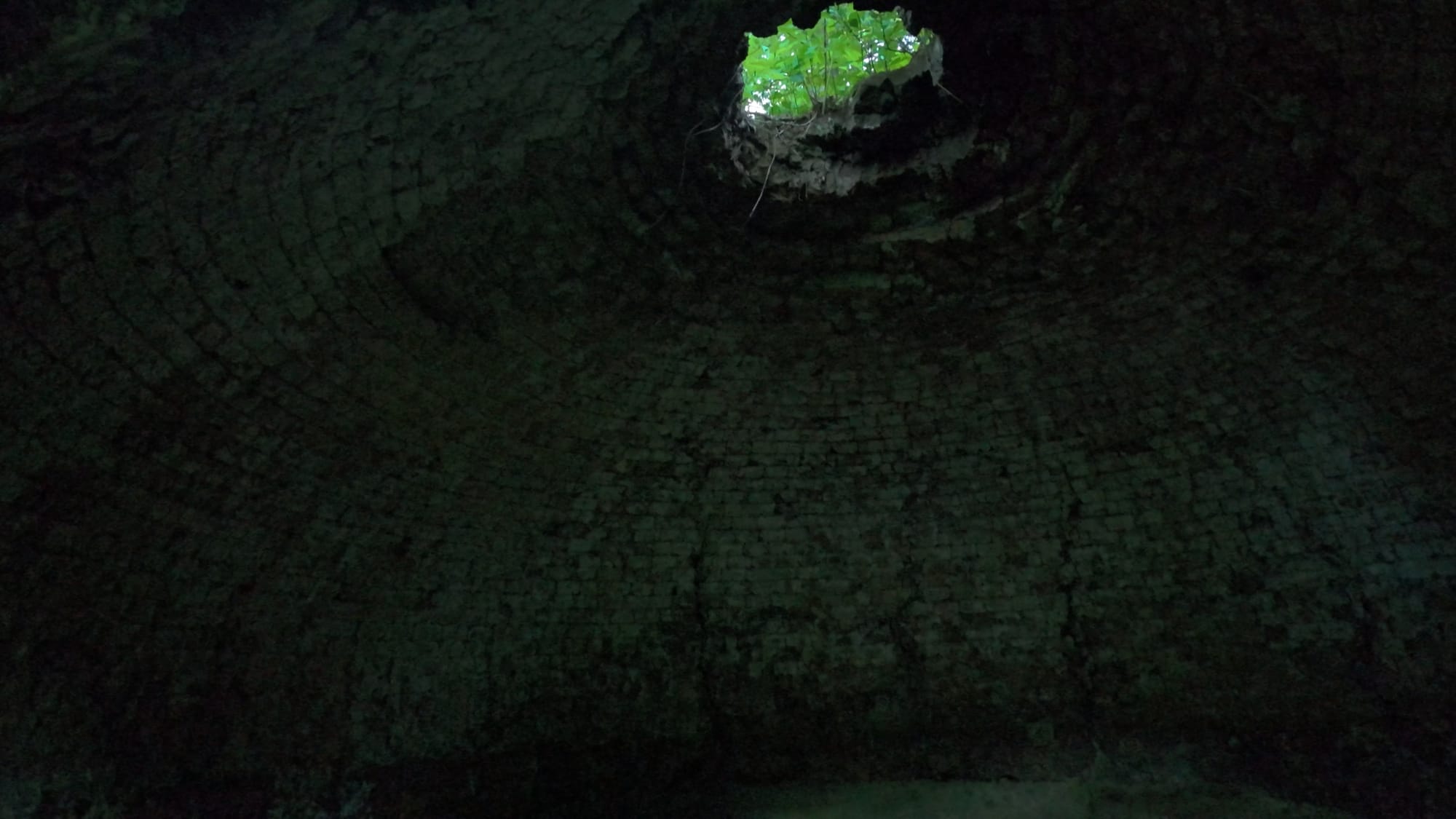
The engineering is beautifully simple, which is part of why it lasted. Every oven follows the same design: a brick dome about twelve feet across and six to seven feet high, with an arched opening at the front and a round charging hole at the top.A rail track ran along the ridge above the row of ovens. Workers pushed coal cars along that upper track and shoveled the fuel down through the top holes — two to three tons per oven — then sealed everything up and let it cook for two to three days. When it was done, they broke the front seal and raked the glowing coke out onto cars bound for the blast furnaces.The wheelbarrow was the other essential tool: there's a photograph from around 1885 of the site's workers posed in front of their wheelbarrows, which is how the hot coke got moved by hand, in front of structures running at temperatures high enough to melt iron.The scale of the masonry is the part that stops you. By one estimate it takes roughly 2,600 bricks to floor a single oven and another 4,200 to build the dome. Multiply that across 200 ovens and you're looking at somewhere near 1.4 million bricks — every one of them laid by hand, before the blast furnaces, before the rail infrastructure, before any of the rest of it. And the coal staining on the interior brick is still there. Still black. After ninety years.
What the Forest Did Next
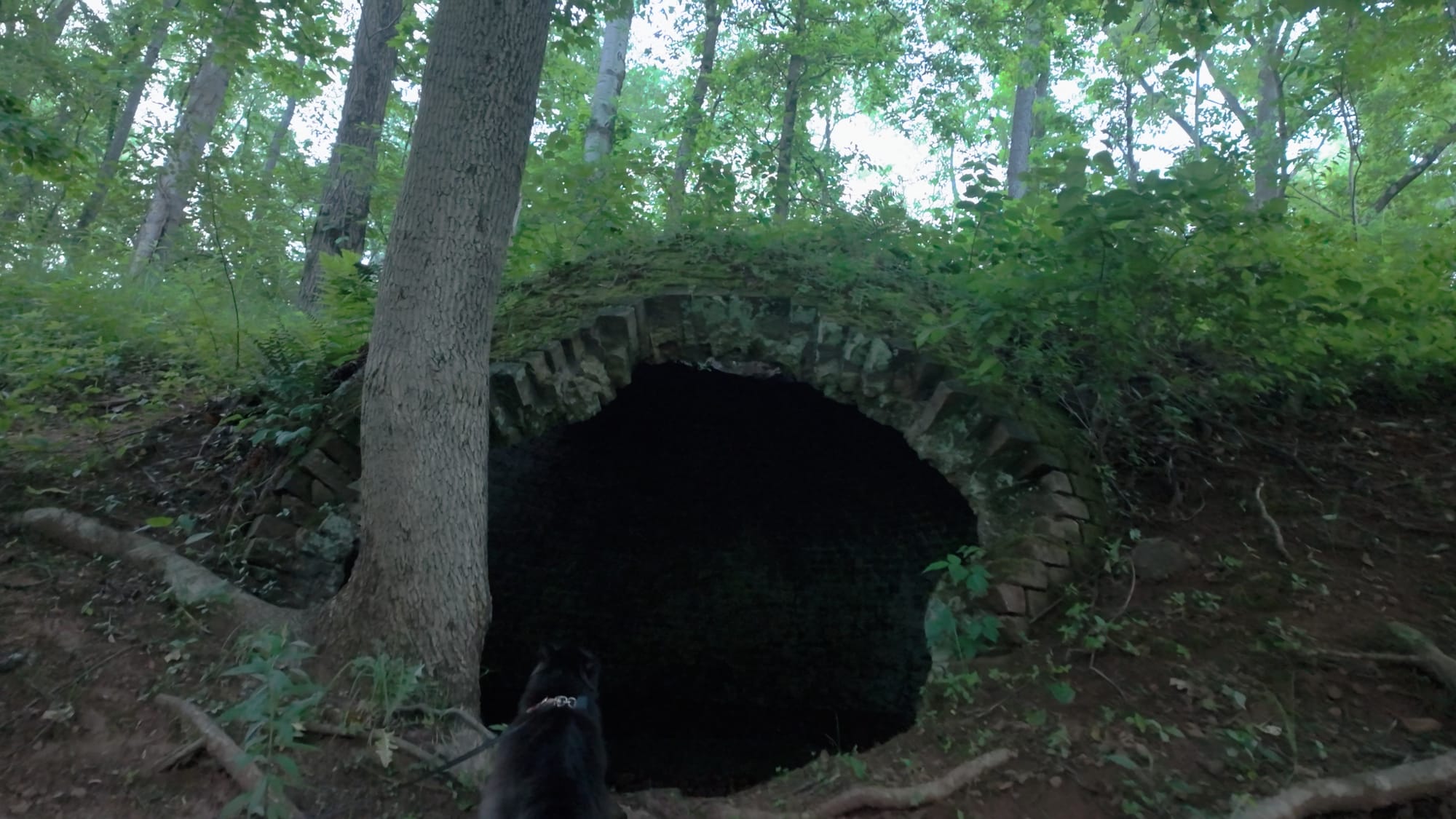
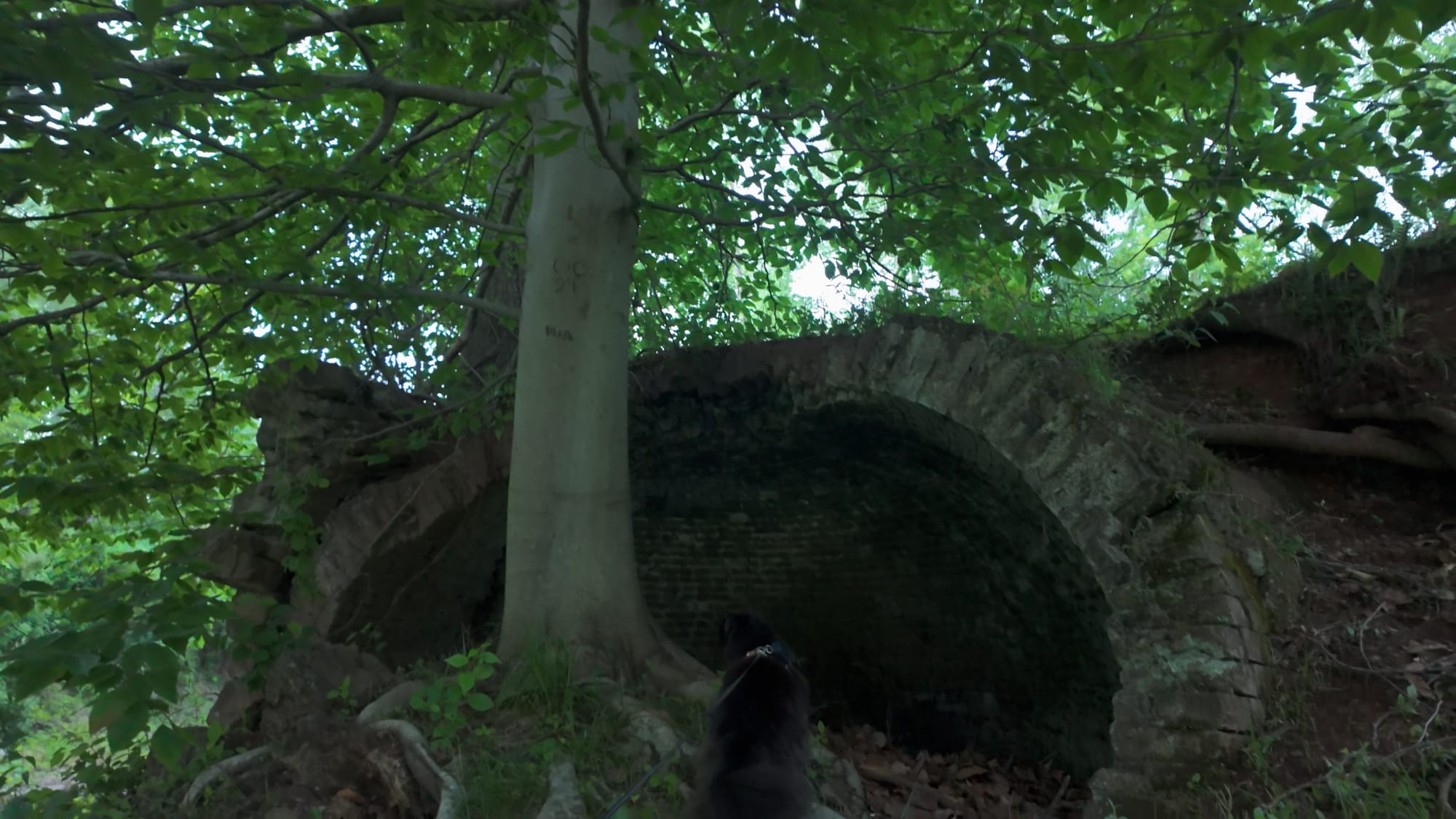
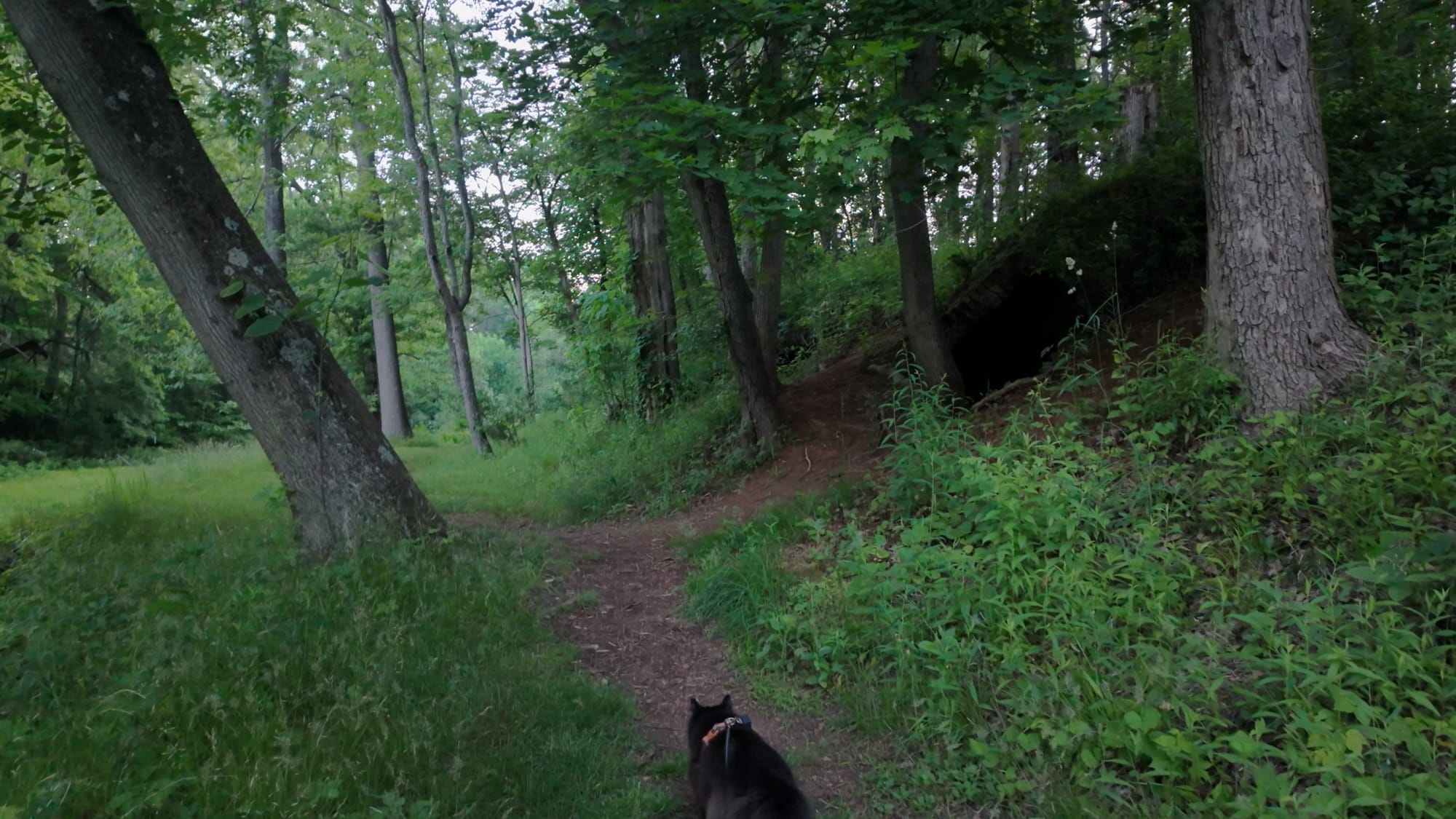
Walk the site today and the most striking thing isn't the ovens that survived — it's how differently they've held up.Some are nearly intact. The brickwork is still tight, the dome complete, the arch still clean enough that you could believe it was fired last year. Others have partially collapsed, the domes caved in, brick spilling out the front. And a few have been almost entirely swallowed by the hillside — mounds of earth and root with a suggestion of an arch underneath, if you know to look.The forest genuinely does not care about the National Register of Historic Places. It's just doing what forests do, and what forests do, given enough time, is take everything back. The trees growing up through and over these ovens are themselves seventy or eighty years old now — a second forest that has matured entirely within the ruins of the first industry. In another century, some of these ovens will be indistinguishable from the landscape around them. The brick will still be down there, somewhere under the roots. The forest will just have closed over the top of it.
The People Who Saved It
That the site exists at all in 2026 is down to a handful of locals who refused to let it disappear.In the early 1980s, a Leetonia pharmacist named John Roose led a community effort to rescue the ovens. Working with village officials, the property owners, and the Ohio Department of Natural Resources, the group arranged for the land to be donated to the village in 1982. A five-member board formed in 1983 to oversee turning the overgrown industrial ruin into a public park, which opened in 1986. Cleanup was slow, volunteer-driven, and unglamorous — clearing brush, stabilizing what could be stabilized, cutting trails that let people actually reach the ovens without trampling them.The recognition followed. The site was added to the National Register of Historic Places on May 6, 1993, and the Ohio Historical Society installed a marker in 1999. Today it's officially the Cherry Valley Coke Ovens Park and Arboretum, and later efforts — including a 2012 partnership with the Appalachian Coal Country Team that produced a full master plan for the grounds — have continued the work of keeping the valley both accessible and intact.
Visiting the Leetonia Beehive Coke Ovens
The Cherry Valley Coke Ovens Park sits in Leetonia, Ohio, in Columbiana County — about an hour and fifteen minutes southeast of Cleveland and roughly the same from Pittsburgh, which makes it an easy detour off a longer eastern-Ohio route. The park address is 300 East Main Street, Leetonia, OH 44431. Admission is free, and the grounds are open to the public.A few things worth knowing before you go:The ovens run in a long line along the old rail grade, so the site reads best if you walk the full length rather than stopping at the first few. The most intact domes and the most dramatically collapsed ones are mixed in together along the row.Wear real shoes. This is a wooded park built over a century-old industrial site, not a manicured trail — the footing is uneven, and it can be muddy after rain.Overcast light is your friend for photos. The contrast between the dark oven mouths and the surrounding brick and forest reads far better under a flat sky than in harsh midday sun.And please treat the brickwork gently. Some of these domes are stable and some very much are not — the whole point of what John Roose and the others did was to keep them standing. Look, don't climb.
🥾
Gear for the Trail
The boots, layers, and daypack worth having before you hit the trail
Affiliate links • Helps fund my adventures at no extra cost to you
What Remains
Two hundred ovens. Sixty years of fire. An entire town's worth of Irish and German immigrants who came here specifically to do this work, and a valley that glowed red every single night while they did it. A bankruptcy, a reorganization, a dynasty of industrialists whose name shaped a presidential election. And then, in 1930, silence — followed by half a century of nobody coming at all.The blacksmith and the bricklayer from the first two episodes made something because they personally needed it to exist. Leetonia is the opposite kind of story: something enormous, built for the coldest commercial reasons, that outlived every company and every family that ever owned it — and now stands in the woods as a monument nobody set out to build. The forest is taking it back one root at a time, and the only reason any of it is still legible is that a pharmacist and a handful of neighbors decided it was worth saving.Most people still drive straight past Leetonia. That's exactly why it's worth stopping.Ohio Hidden Corners is an ongoing series covering the overlooked, the odd, and the genuinely worth finding across Ohio. Episode 3 covers the Leetonia Beehive Coke Ovens in full — watch it below.
Coming up: there's more Ohio to cover — but there's also something considerably bigger on the way. Twenty days through Scotland. Ancient ruins, dark history, and places that make these ovens look recent. Subscribe if you don't want to miss it.
Want to see it yourself? Plan a trip to Northeast Ohio
VagaPlan builds a day-by-day itinerary around how you travel, with real sites, opening hours, costs and booking links. Start with Northeast Ohio already filled in and get 3 trip ideas free.