
What's Actually Documented
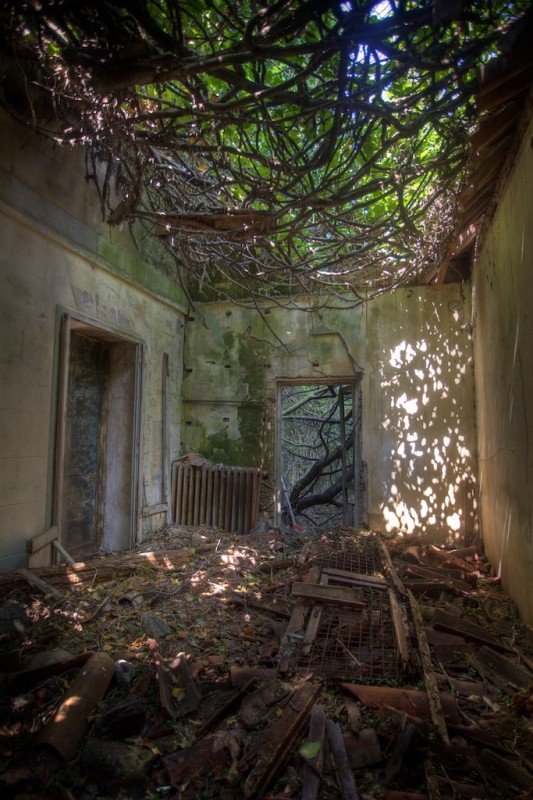
The recorded history of Poveglia goes back a long way. The island is mentioned as early as 421 AD, settled by people fleeing the mainland during the barbarian invasions. For centuries it had a normal population — fishermen, families, a small community with its own church, San Vitale.That ended in 1379. During the War of Chioggia, with Genoese forces threatening Venice, the inhabitants were relocated to the Giudecca and the island was turned over to military use. A defensive octagonal fort was built — Poveglia is one of several "octagon" islands the Venetians fortified to guard the lagoon. After that, it never really returned to ordinary life.In 1776 the island was handed to the Magistrato alla Sanità — Venice's public health authority — and became a checkpoint where ships entering the lagoon were inspected. In 1793 two vessels carrying plague cases were confined there, and the island's function shifted toward what it's now infamous for. Under Napoleon, in the early 1800s, Poveglia became a lazzaretto — a quarantine station — where people suspected of carrying contagious disease were isolated, and where the dead from those outbreaks were buried on the island.This is the real foundation of the "plague island" reputation. Venice had been using lagoon islands as quarantine stations since the Black Death — the word lazzaretto itself comes from the Venetian system — and Poveglia was part of that machinery during later outbreaks. People were sent there to be kept away from the city, and many of them died there.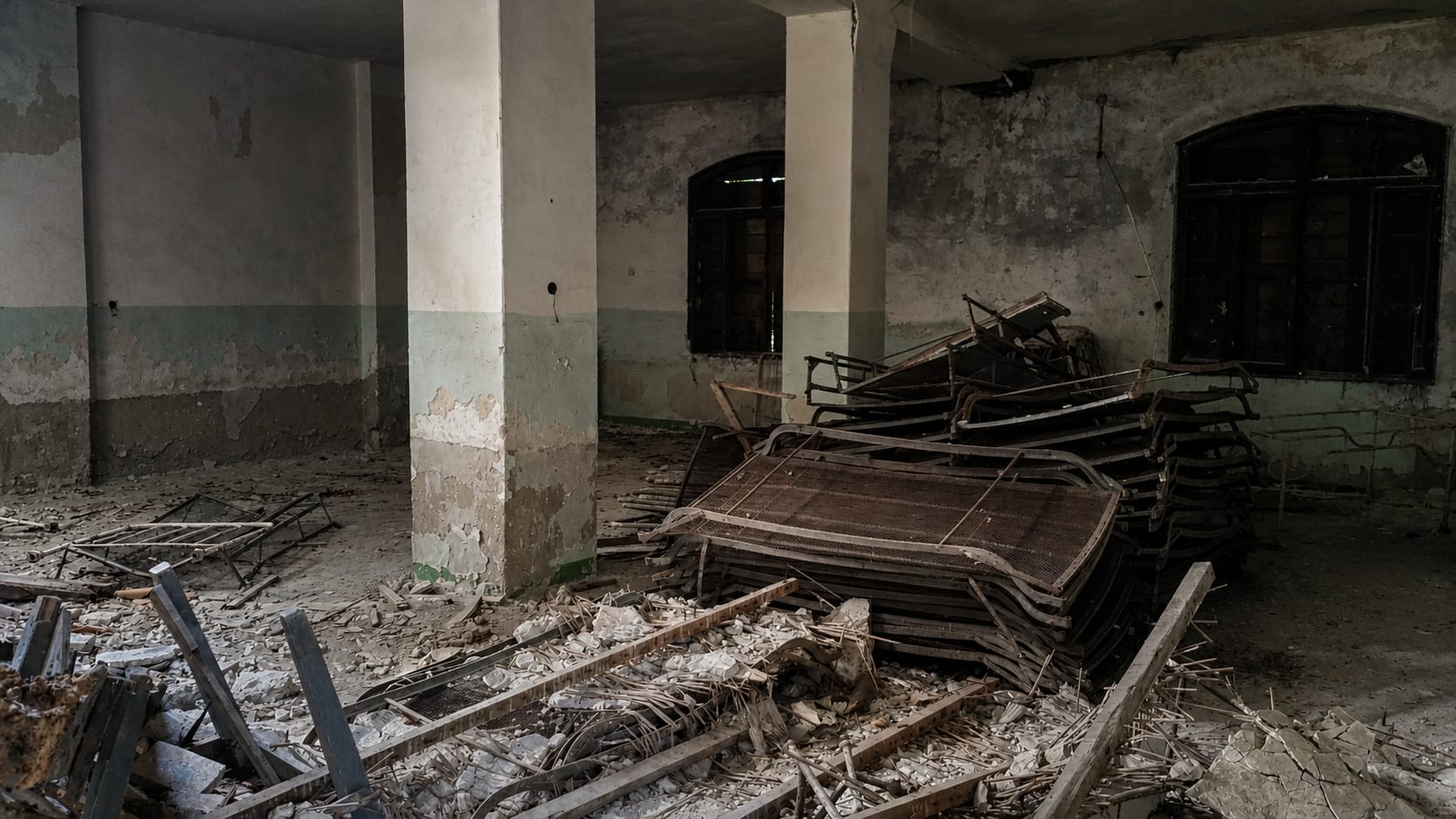
What's Legend
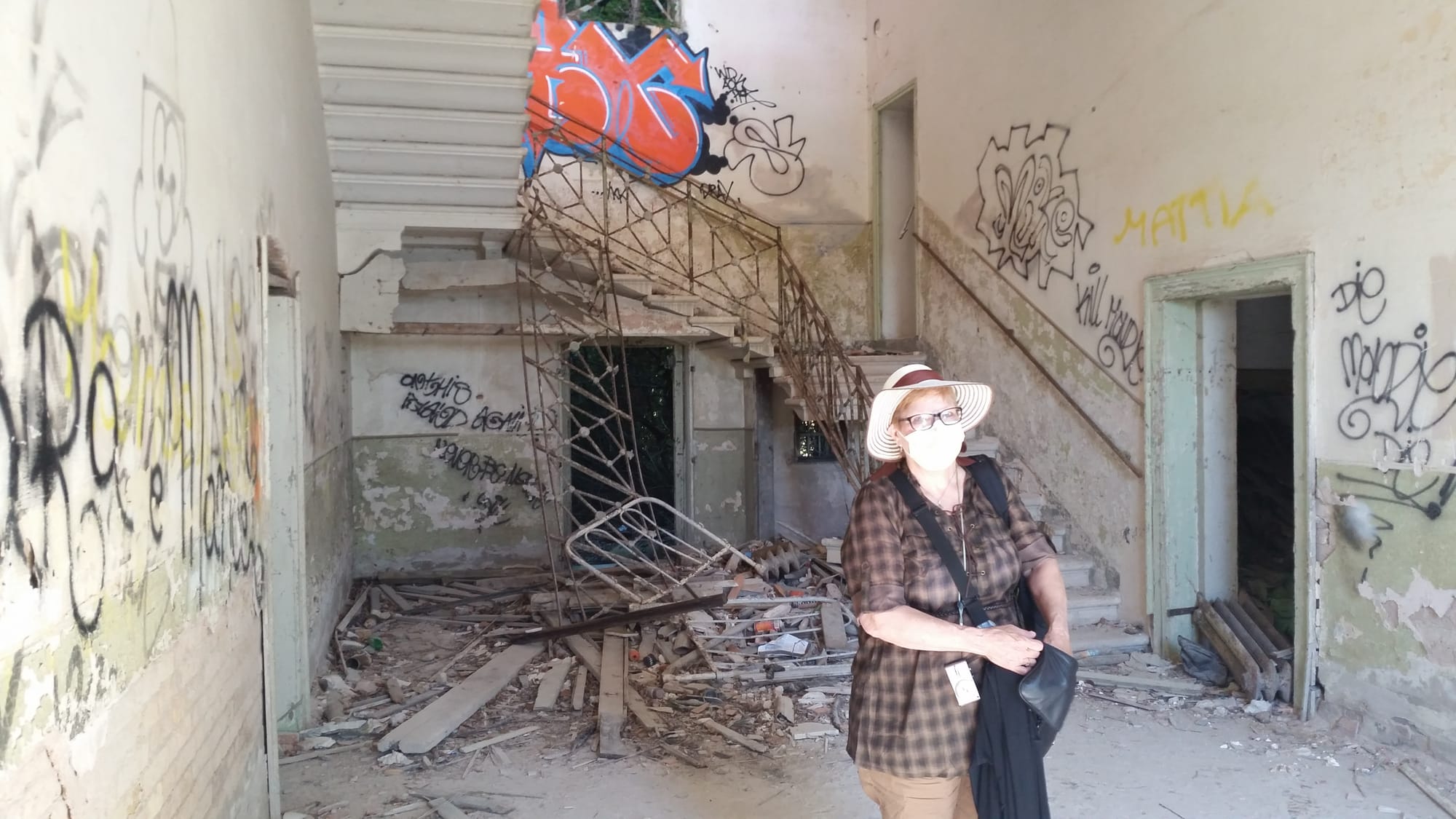
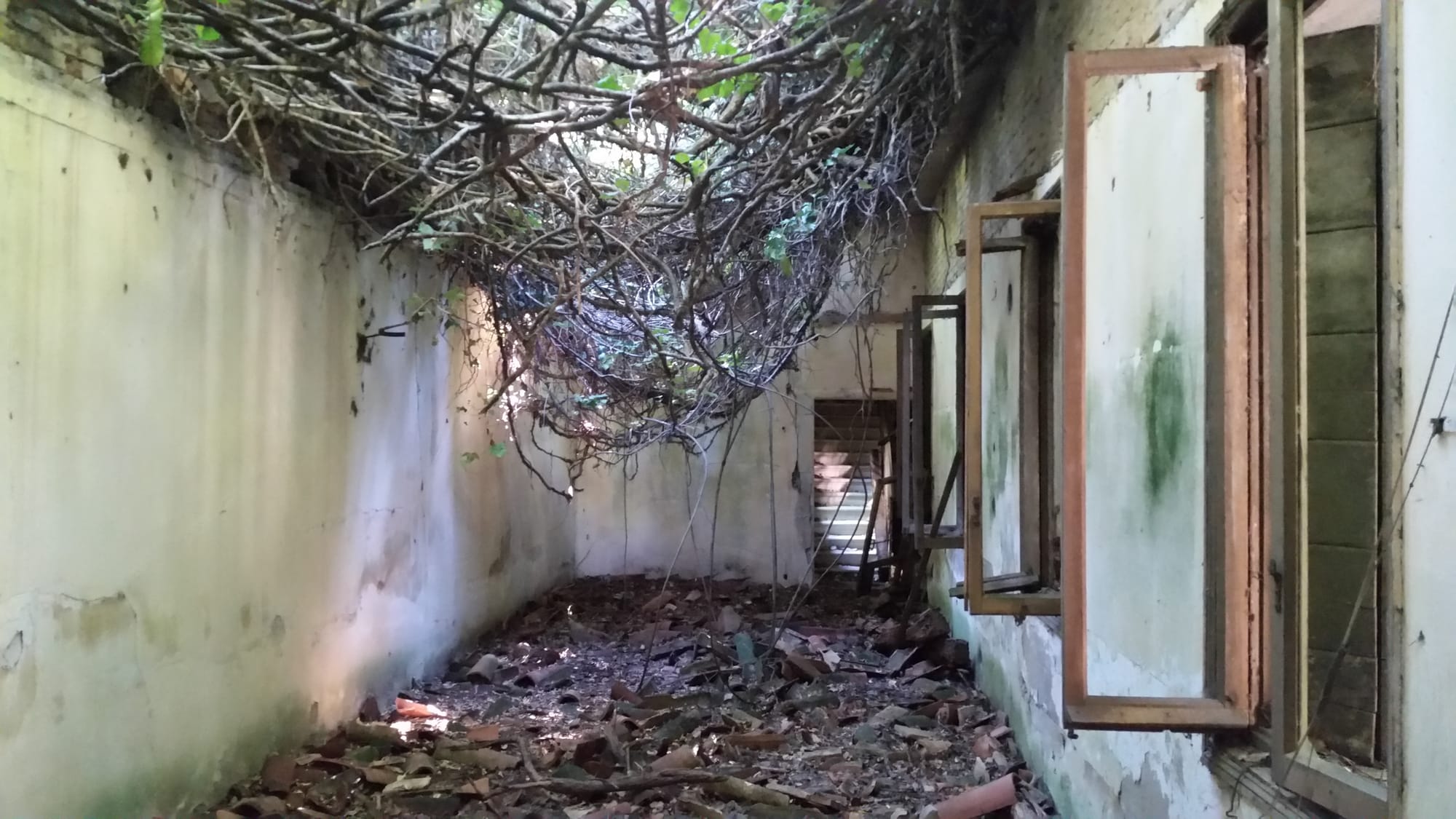
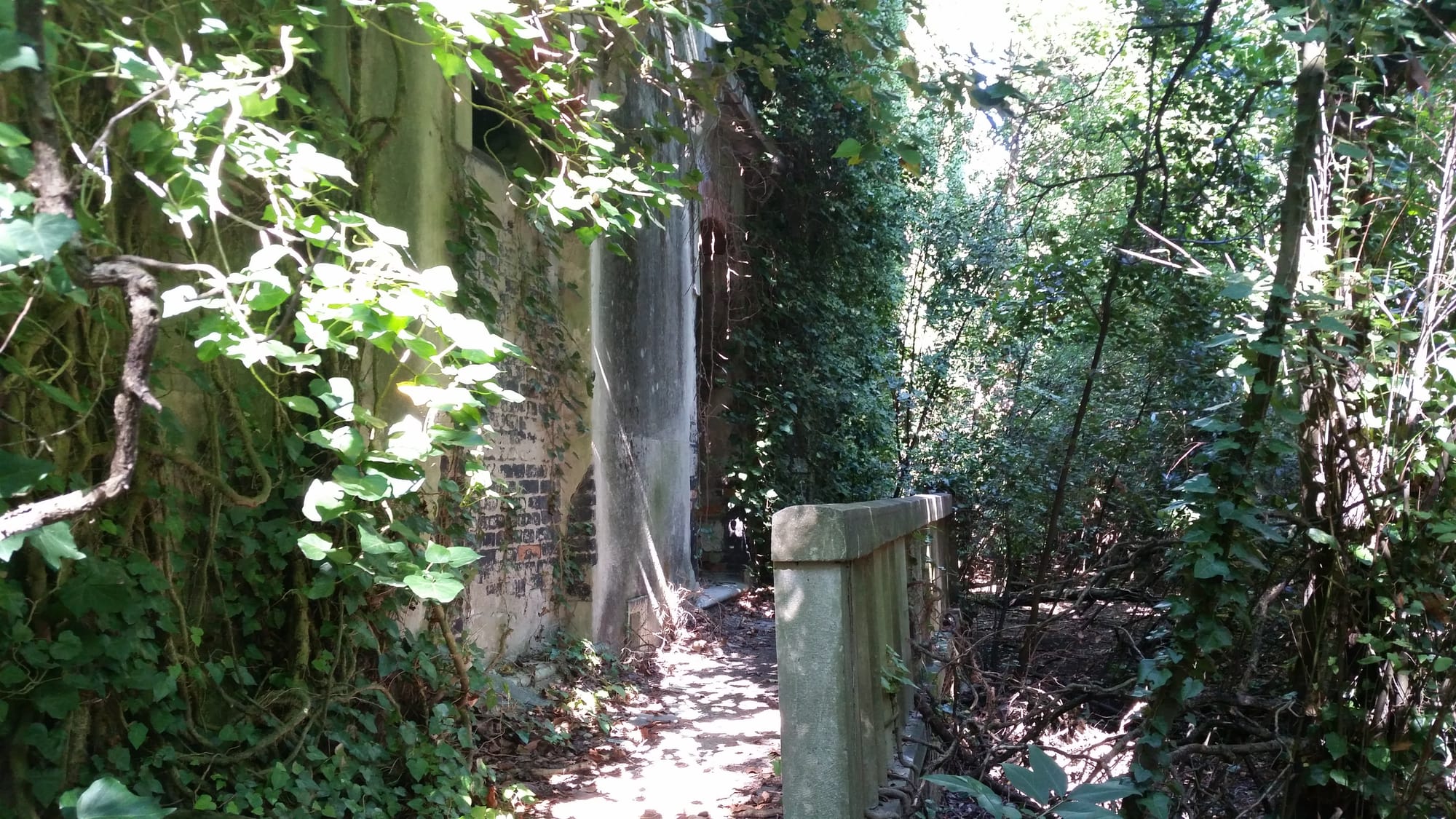
Then there's the other layer, the one that put Poveglia on television.The most repeated claim is that the soil is so saturated with human remains that it's "50% ash" — that plague victims were burned and buried here in such numbers that the ground itself is made of them. You'll see figures thrown around: 100,000 dead, 160,000 dead, the island as one giant plague pit. These numbers have no documented source. They're the kind of figure that gets repeated until it sounds official. People did die and were buried on Poveglia during quarantine outbreaks — that part is real — but the specific tallies and the "half the soil is human ash" line belong to ghost tourism, not the historical record.The asylum legend adds a doctor who tortured and experimented on patients, performing crude lobotomies in the bell tower, before either going mad himself or being thrown from the top by the spirits of his victims. There's no evidence any of this happened, or that the building was even the kind of facility where it could have. Poveglia got a fresh wave of this attention after the American show Ghost Adventures filmed an episode there in 2009, and it's been a fixture of "most haunted places on Earth" lists ever since.I'll be honest about my own experience: I didn't feel any of it. What I felt was that I was somewhere I wasn't supposed to be, breathing through a mask in a building that was actively falling down, and that was unsettling enough on its own. The island doesn't need ghosts. It has asbestos, sagging floors, and the genuine weight of what it actually was.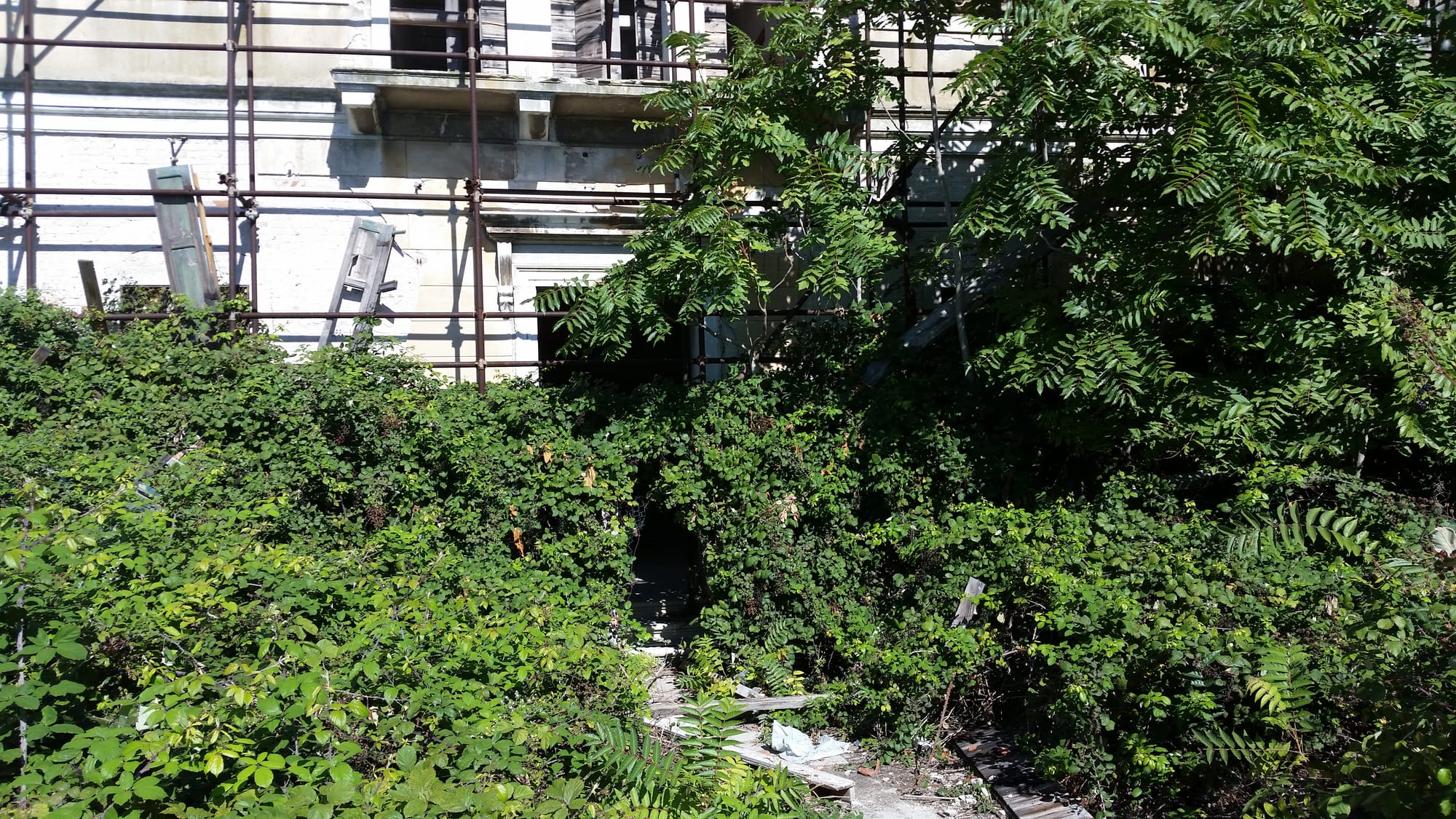
Walking Through It
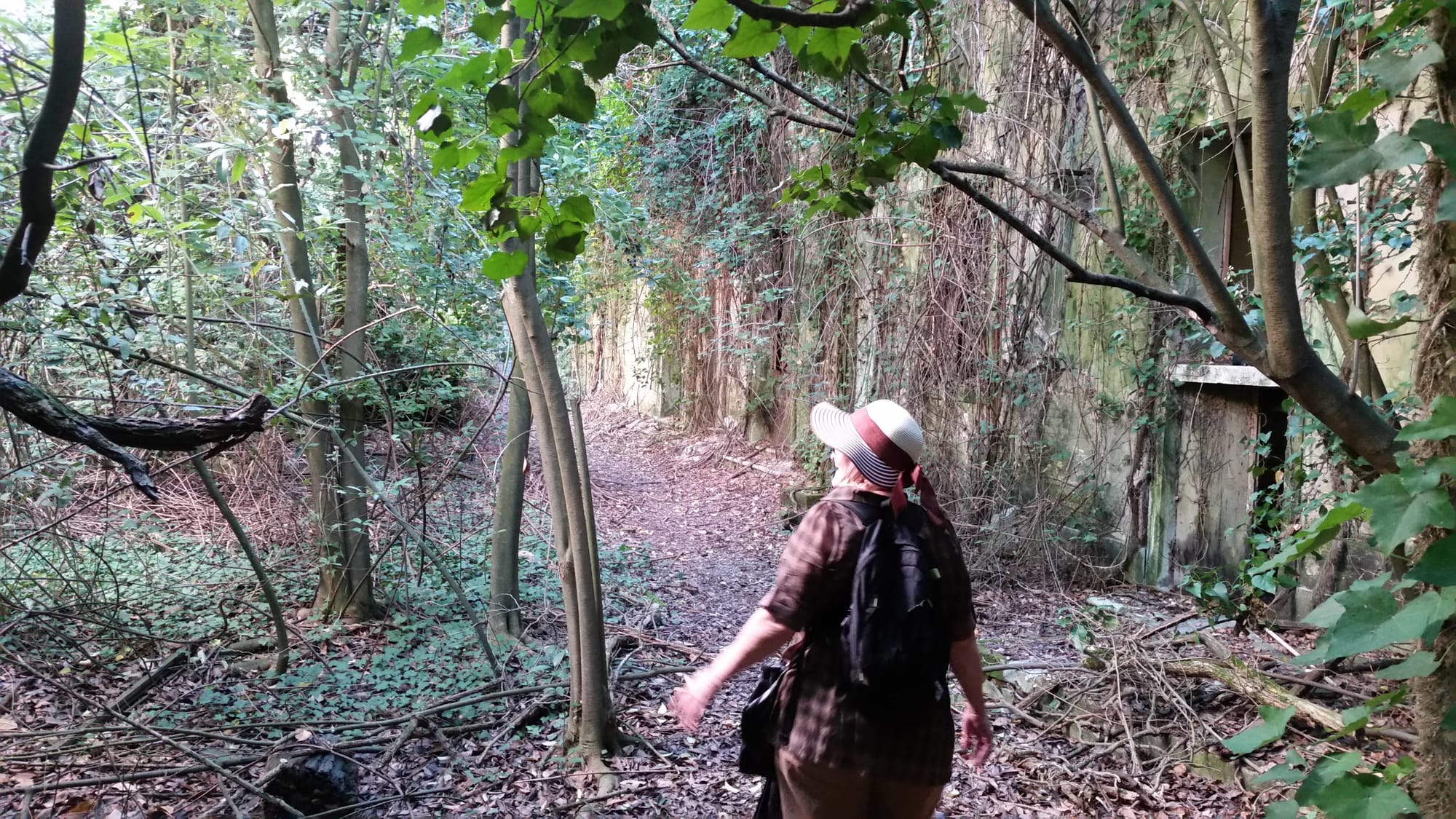
Getting onto Poveglia took some doing. My mom found it before the trip even started — knowing we'd begin in Venice, she went looking for the one place in the lagoon you're not supposed to reach, and spent weeks tracking down a private operator willing to take us. The one she found agreed only on his own terms: he'd drop us off, circle, and come back, but he would not set foot on the island himself.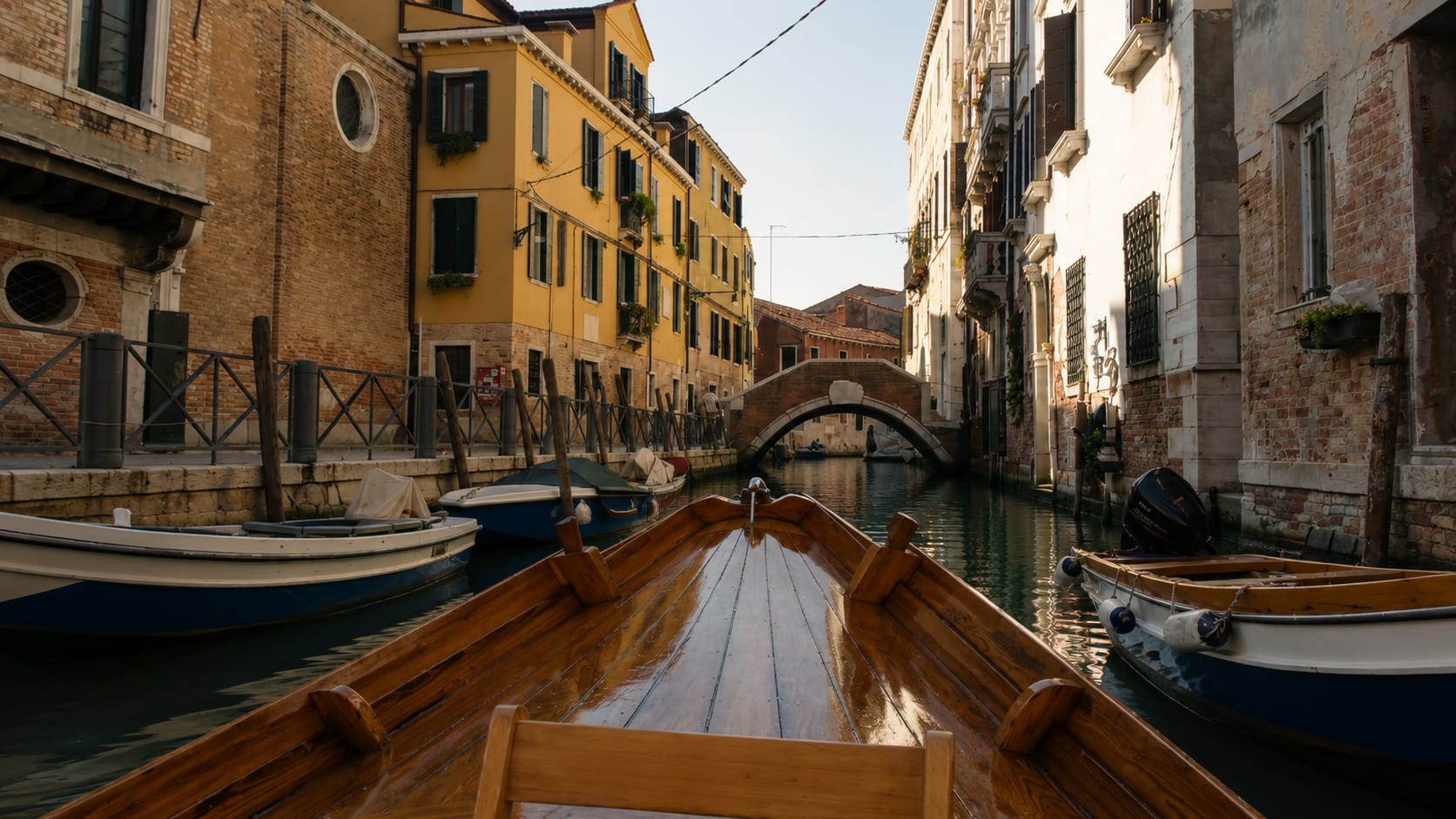
Unforgettable Experiences
Venice has incredible experiences worth booking in advance
Affiliate links • Helps fund my adventures at no extra cost to you
Who Owns Poveglia Now
The island's status has been contested in recent years, and it's a more interesting fight than the ghost stories.In 2014 the Italian state, looking to raise money, put Poveglia up for a 99-year lease at auction. A Venetian businessman named Luigi Brugnaro won it with a bid of around €513,000, with a stated plan to turn the island into a luxury hotel. Brugnaro went on to become the mayor of Venice in 2015. The development never materialized — the lease arrangement stalled and ultimately fell apart.In response to the auction, a group of Venetian citizens formed an association called Poveglia per Tutti — "Poveglia for Everyone" — and crowdfunded a competing bid, arguing the island should be returned to public use as a park rather than sold off to become a private resort. They've been campaigning for access ever since. So the current reality is that Poveglia sits in limbo: too storied to quietly sell, too damaged and contaminated to casually open, claimed by a city that wants it back and a state that isn't sure what to do with it.It remains closed. Which means that for now, the only way onto it is still more or less the way we did it.How to Actually Visit Poveglia
I'll give you the honest version, because most articles won't.Officially, you can't. Poveglia is closed to the public, owned by the Italian state, and not served by any scheduled boat. There's no ticket, no dock for visitors, no tour operator running sanctioned trips onto the island. Anyone who tells you there's an easy, official way in is selling something.Unofficially, people reach it by private boat. That's what we did — my mom found a private operator willing to take us out, drop us, and return. Be clear-eyed about what that is: it sits in a legal grey area at best, the buildings are genuinely dangerous, and the asbestos is not a rumor. We wore masks for a reason. If you go, you're accepting that you're somewhere you're not permitted to be, in a structure that is actively collapsing.The safer way to see it is from the water. Plenty of private boat tours of the southern lagoon will pass close to Poveglia and tell you the stories without landing, and you'll get the view of the bell tower and the overgrown shoreline that way. If what you want is to see the plague island, that's the version I'd point most people toward.If you want the lagoon's documented plague history, the islands of Lazzaretto Vecchio and Lazzaretto Nuovo — also in the Venetian Lagoon — are where the quarantine system is actually preserved and interpreted, and they can be visited properly. They're the real historical record that Poveglia's legend is loosely built on top of.I don't regret going. But I went with someone who'd done the legwork, we treated the building as the hazard it is, and we kept it to half an hour. That's the only version of this I'd stand behind.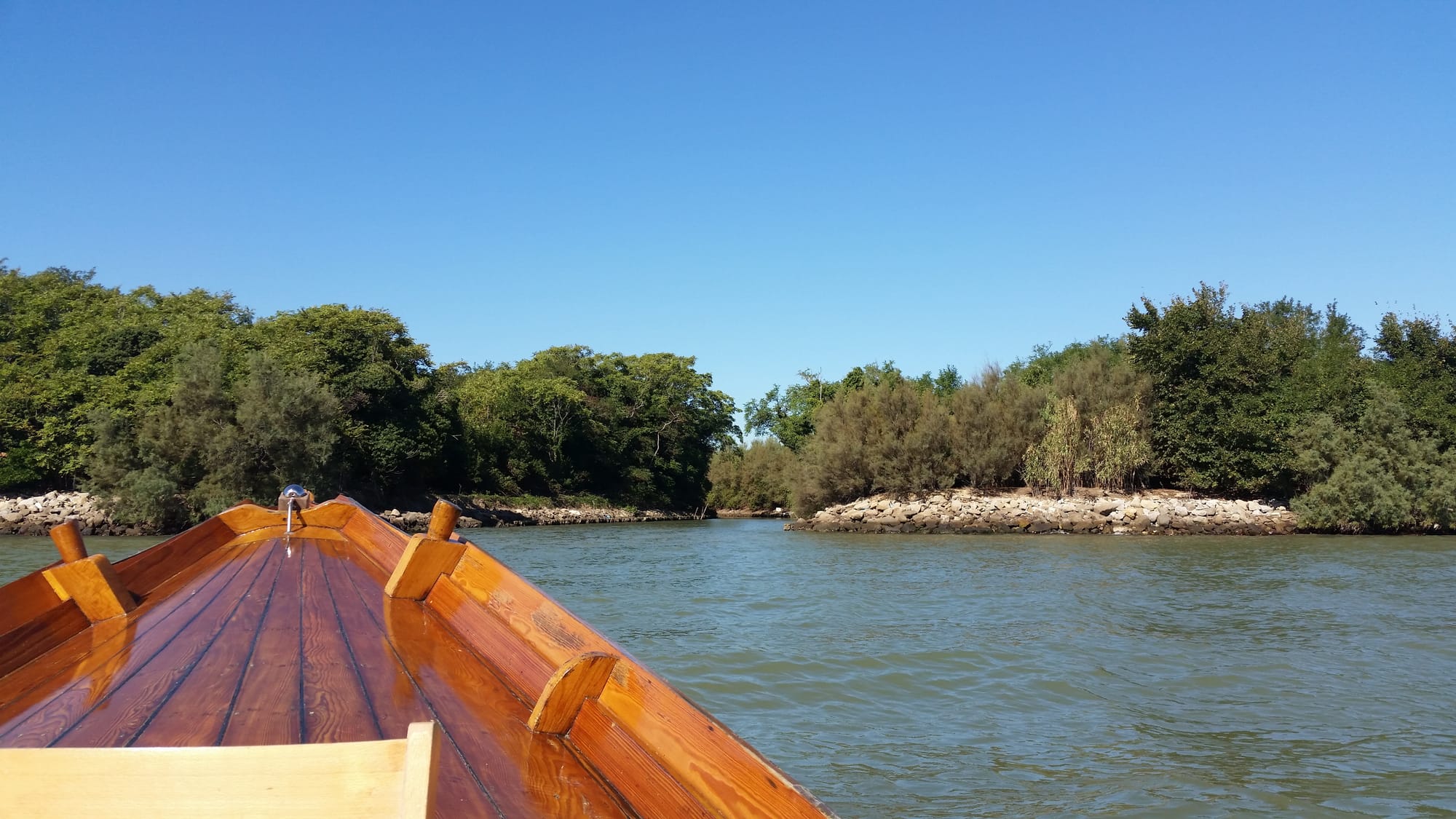
Frequently Asked Questions
Can you visit Poveglia island?
Not officially. Poveglia is owned by the Italian state, closed to the public, and not served by any scheduled boat or sanctioned tour. People do reach it by private boat, but the island is off-limits and the buildings are genuinely dangerous. The most reliable legal way to see it is from the water on a private lagoon boat tour that passes close without landing.Why is Poveglia closed?
The island has been abandoned since its hospital closed in 1968, and the buildings are now structurally unsafe and contaminated — asbestos is a real hazard. It's also state-owned and tied up in a long dispute over its future, after a 2014 auction of a 99-year lease collapsed and a citizens' group campaigned to reopen it as a public park.Is Poveglia really the most haunted island in the world?
That's its reputation, cemented by ghost-hunting TV shows, but the most dramatic claims — that the soil is "half human ash," that a mad doctor performed lobotomies and threw himself from the bell tower — have no documented basis. The real history is grim enough without them: Poveglia served as a quarantine station during plague outbreaks and people were buried there.What was Poveglia used for?
Over the centuries it was an inhabited village, a fortified military island, a public-health checkpoint, a lazzaretto (quarantine station) during plague outbreaks under Napoleon, and finally a hospital from 1922 until 1968 — usually described as a long-term care home, though legend recasts it as a psychiatric asylum.Is the bell tower part of the asylum?
No. The collapsed bell tower is the campanile of the old church of San Vitale, demolished in 1806. The tower was kept and converted into a lighthouse. It predates the hospital entirely and has nothing to do with the asylum stories attached to it.
Planning your next trip?
However you travel — no idea where to start, a rough plan, set dates or totally flexible, any budget, any style, even bringing the pets — VagaPlan builds the whole trip around you. Get 3 custom trip ideas free, then unlock the full day-by-day itinerary when you're ready.
Perfect Places to Stay
Find the best hotels in Venice — I always recommend booking early
Affiliate links • Helps fund my adventures at no extra cost to you
Further Reading
Books about Venice — history, culture, and the context that makes travel richer
Affiliate links • Helps fund my adventures at no extra cost to you
One Last Thing: The Video
I do have video from inside Poveglia. I'll be straight with you: it's rough. It was shot on phones back in 2015 — when phone cameras were a lot worse than they are now — and cut together in the earliest, clumsiest days of my editing. There's no saving the quality of the footage, and I'm not going to pretend otherwise.I'm putting it down here, at the very bottom, for anyone who wants to see the island actually move instead of sitting still in a photo. Watch it for the place, not the production — it's in no way representative of the channel. Consider this my apology in advance.Support My Travels
Affiliate links
Affiliate link — helps fund the adventures at no cost to you
More in the Series


Next Article